
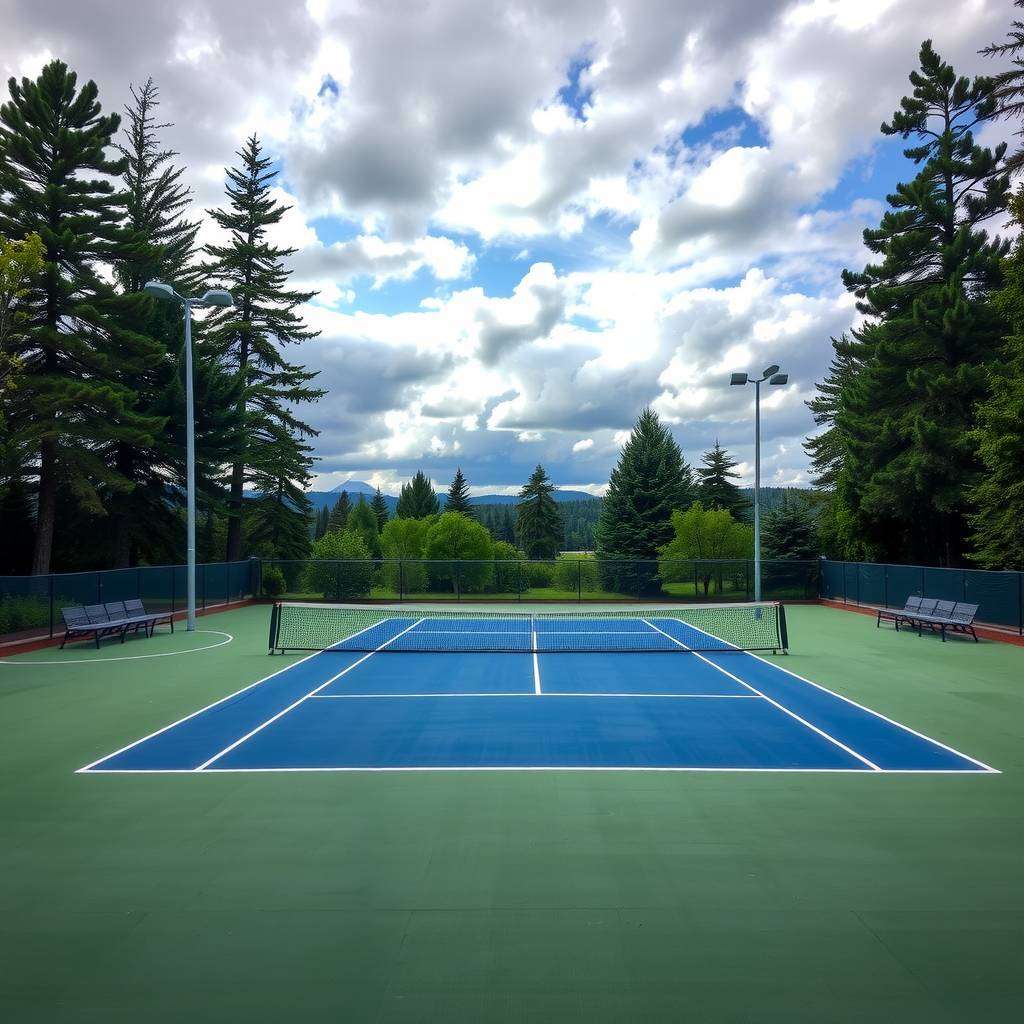
Maintaining a tennis court requires regular attention to keep the surface in optimal condition. Whether you have a clay, hard, or artificial grass tennis court, proper upkeep is essential for ensuring excellent playability and longevity. However, when it comes to repairs and maintenance, you may find yourself at a crossroads: should you hire a professional or attempt a DIY approach?
In this post, we will explore the pros and cons of professional tennis court repairs compared to DIY methods. From resurfacing to maintenance practices, understanding the intricacies involved will help you make an informed decision about what’s right for your situation.
Tennis court repairs are essential for maintaining optimal playing conditions and safety. Regular inspections and timely interventions can prolong the life of your court. For expert services and tips on keeping your tennis courts in top shape, visit https://www.artificialgrassmaintenance.co.uk.
If you’re looking for expert tennis court repairs, consider checking out this informative video: https://www.youtube.com/watch?v=8jQxVC19-4M. Regular maintenance ensures optimal playability and extends the lifespan of your courts. From surface cracks to drainage issues, timely repairs can keep your tennis facility in top-notch condition for years of enjoyment.
Maintaining your tennis courts is essential for optimal gameplay and safety. Over time, surfaces can wear down, leading to cracks and uneven ground. Professional tennis court repairs enhance performance and extend the life of your courts. For expert solutions, explore our tennis court repairs.
Tennis court repairs are essential for maintaining an optimal playing surface and prolonging the court’s lifespan. Regular upkeep prevents more significant issues and enhances safety for players. For effective strategies on tennis court maintenance, check this helpful resource: https://www.benzsoftwash.com/blogs/trade-tips/29779329-soft-washing-tennis-courts.
Understanding Tennis Court Repairs
Tennis court repairs can encompass a variety of tasks, including resurfacing cracks, cleaning the surface, and maintaining artificial grass tennis courts. A well-maintained court not only enhances the aesthetic appeal of your facility but also ensures player safety and performance. Common issues that may require attention include surface cracks, uneven playing fields, and drainage problems.
Professionals in tennis court installation and maintenance bring both expertise and specialised equipment necessary for effective repairs. Whether your court is made from asphalt, concrete, or artificial turf, understanding the specific requirements for each surface type is crucial for carrying out repairs correctly.
The Case for Professional Tennis Court Repairs
When it comes to major repairs, hiring professionals is often the best route. Professional tennis court repairs are generally characterised by their high quality and thoroughness. Experts in tennis court resurfacing can quickly assess the condition of your court and recommend appropriate solutions. Their specialised skills ensure that repairs adhere to industry standards, providing a surface that minimises risks of injury and enhances playability.
In addition to their expertise, professionals utilise advanced tools and techniques that are not typically available to the average DIYer. They can efficiently handle more complex tasks, such as making deep repairs to the base layer, applying specialised sealants, or expertly resurfacing a court to meet specific playing standards. This level of proficiency is especially beneficial for facilities that frequently host events or professional matches, where even minor imperfections can affect performance.
DIY Tennis Court Repairs: The Pros and Cons
Taking a DIY approach to tennis court repairs can be appealing, especially from a cost-saving perspective. Many individuals choose to tackle minor maintenance tasks, such as cleaning the surface or performing simple touch-ups on cracks, without the assistance of professionals. This can be perfectly acceptable for small issues if you have the right tools and knowledge.
However, there are notable drawbacks to consider. Attempting significant repairs without specialist knowledge can lead to inadequate work and potentially worsen the condition of the court. For example, improper resurfacing techniques or poor application of materials can result in a rough playing surface, creating safety hazards or leading to further deterioration.
Moreover, DIY tennis court maintenance can be time-consuming. Proper upkeep demands not only the right skills but also a commitment to learning about the materials and processes involved. Without the experience of a professional, you may find yourself wasting time and effort on trial-and-error methods, which can ultimately be counterproductive.
Tennis Court Resurfacing: DIY vs. Professional
Tennis court resurfacing is one of the most significant aspects of court maintenance. This process involves replacing the top layer of the surface to restore its playing characteristics. While DIY resurfacing kits are available, it’s important to evaluate whether you have the expertise required to achieve a balanced, even surface.
Professionals can ensure that the resurfacing process is done with precision. They take into account factors such as weather conditions, humidity, and surface porosity, which directly influence the curing and performance of the new surface. In contrast, a DIY attempt may overlook these critical elements, leading to premature wear and tear.
Additionally, professional services often offer warranties on their work, giving you peace of mind that the job has been done correctly. Such assurances are a significant advantage for facilities that wish to maintain a pristine standard for their courts.
Tennis Grass Court Maintenance: A Unique Challenge
Maintaining a tennis grass court comes with its own set of challenges. Grass courts require regular maintenance, including mowing, watering, and aeration. While DIY maintenance may be suitable for basic upkeep, a professional service can provide advanced techniques for maintaining the grass, addressing issues like pests or disease.
Hiring a professional for tennis grass court maintenance ensures that the court remains in prime condition for play. Such services often incorporate seasonal preparations, such as preparing the court for competitive play or transitioning it for winter. These practices require both skill and experience, making professional intervention highly beneficial.
Tennis Court Cleaning: The Importance of Professional Services
The cleaning of your tennis court is another vital function often best reserved for professionals. While you may think a simple hose-down will do the trick, it’s essential to understand that specialised cleaning can greatly enhance the lifespan of your court. Professionals possess the right equipment and know-how to remove debris, dirt, and other contaminants effectively, ensuring that the surface does not degrade over time.
Attempting to clean artificial grass tennis courts yourself could lead to accidental damage if improper cleaning agents or techniques are used. Professionals are trained to use the right products, reducing the risk of harming the court while achieving optimal cleanliness.
In summary, while DIY tennis court repairs may suit smaller tasks and minimal maintenance, professional services should be your go-to choice for significant repairs, resurfacing, and complex maintenance processes. By weighing the benefits and challenges of each option carefully, you can make the best decision for maintaining your court’s quality and performance.