
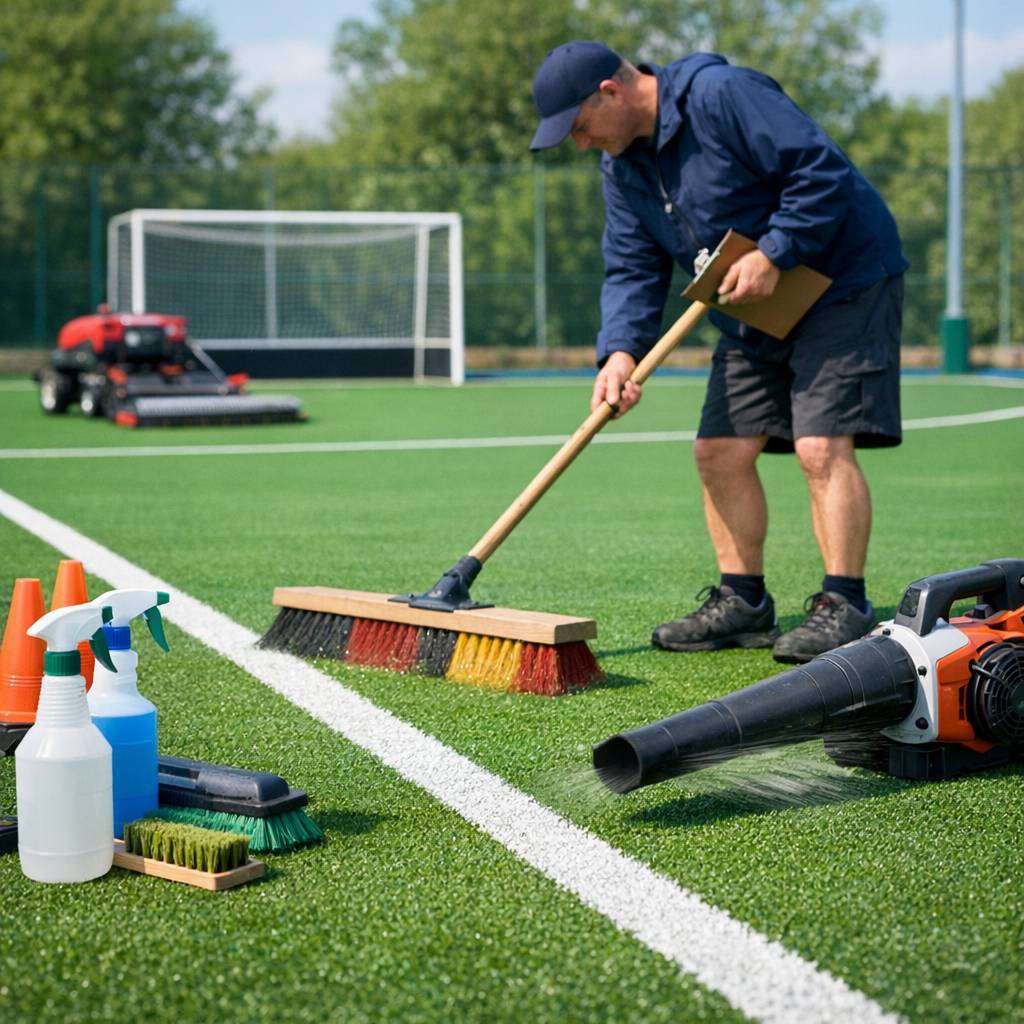
Maintaining a pristine hockey pitch is essential for consistent ball roll, player safety, and prolonging the life of the surface. Whether you are responsible for a synthetic astroturf field or a hybrid grass system, a well-planned cleaning routine keeps the surface performing at its best and reduces the need for frequent hockey pitch repairs. This guide provides practical steps, professional tips, and cost-conscious considerations to help you achieve optimal playing surfaces.
Hockey pitch cleaning is essential for maintaining safety, play quality, and equipment longevity on artificial turf. Regular debris removal, brushing, and infill checks prevent slippery surfaces and uneven performance. Teams should schedule professional assessments to identify drainage concerns and wear patterns early. For comprehensive maintenance guidance and expert services, visit the resource below. https://www.artificialgrassmaintenance.co.uk
Understanding the surface
Hockey pitches are typically constructed from artificial grass for hockey, often comprising polyethylene or polypropylene fibres on a drainage-friendly infill system. These surfaces require regular upkeep to preserve their texture, firmness, and bounce. Routine hockey pitch maintenance focuses on keeping the fibres upright, removing debris, and ensuring proper infill depth and distribution. Recognising the type of surface you have—whether standard hockey pitch astroturf or a hybrid/third-generation system—helps tailor cleaning methods and equipment choices.
Daily and weekly routines
A consistent routine is the foundation of effective hockey pitch cleaning. Implement these practices as part of your regular maintenance schedule:
- Clear debris: After training or matches, remove leaves, cones, balls, and litter from the surface using a soft broom or leaf blower on a low setting. Avoid aggressive air blasts that can lift fibres.
- Brush the surface: Use a specialised hockey pitch brush or mechanical broom to lift fibres and restore grooming. Brushing should be gentle yet thorough, pushing the fibres in the direction of play to encourage even wear.
- Check drainage: Inspect visible drainage channels for blockages. Clear any debris that could impede water evacuation, especially after rain.
- Inspect for wear: While cleaning, look for compressed areas, early signs of wear, or bald patches where the infill has shifted. Early detection prevents more extensive hockey pitch repairs later.
Weekly deep-cleaning techniques
Beyond daily upkeep, a more thorough cleaning helps address embedded dust, pollen, and fine debris that can affect player comfort and ball grip:
- Vacuum or suction clean: If your facility has access to a specialised surface vacuum, use it to extract fine dust without disturbing the fibres. For smaller facilities, a stiff-bristle brush combined with a dustpan can help remove compacted contaminants.
- Infill refresh: Periodically assess the infill level. If the surface feels too soft or shows uneven bounce, investigate the need for infill top-up or redistribution. In some cases, a professional infill material may be required for hockey pitch maintenance.
- Disinfection and sanitisation: For multi-use facilities, consider a mild sanitiser spray approved for artificial grass for hockey. Ensure products are compatible with synthetic fibres and infill to avoid pore clogging or fibre damage.
FAQ: Hockey Pitch Cleaning
What is hockey pitch cleaning?
Hockey pitch cleaning refers to the process of removing dirt, debris, mulch, and other contaminants from a synthetic or natural turf surface used for field hockey. Regular cleaning helps maintain playability, safety, and longevity of the pitch.
Why is regular hockey pitch cleaning important?
Regular cleaning prevents the buildup of litter and organic matter that can cause uneven footing, protectives from wear, and reduce slip hazards. It also helps preserve surface quality, colour, and overall performance during play.
What tools are commonly used for cleaning a hockey pitch?
- Turf brushes and brooms (soft to medium stiffness)
- Power or walk-behind sweepers
- Leaf blowers or air blowers for loose debris
- Surface rakes for edging and seams
- Vacuum or suction devices for synthetic fibers (if applicable)
- Drainage checks and trolleys for hauling debris
How often should a hockey pitch be cleaned?
- Synthetic (astro turf) pitches: daily surface brushing during the season, with deeper cleanings weekly or biweekly depending on usage and weather.
- Natural grass pitches: regular mowing and grooming, with periodic raking and debris removal after heavy use or storms.
- High-traffic venues may require more frequent cleaning, especially in wet conditions when mud and debris accumulate.
How do weather conditions affect pitch cleaning?
Wet or muddy conditions increase debris adhesion and clumping, making cleaning more challenging. Dry weather helps debris separate more easily, but dust and pollen can accumulate. Always adjust cleaning frequency based on recent weather and game schedules.
Can cleaning improve playing performance?
Yes. Proper cleaning maintains a consistent surface, reduces uneven patches, and minimises slippery areas, contributing to better ball roll, ball grip, and player safety.
Are there maintenance steps beyond cleaning?
- Inspecting and maintaining drainage systems
- Replacing worn sections or infill (for artificial pitches)
- Grooming and vertical brushing to restore pile direction (synthetic surfaces)
- Periodic deep cleaning or grooming with dedicated machines
- Ensuring perimeter edging and line markings are clean and visible
What are signs that a hockey pitch needs immediate attention?
- Excessive loose debris or clumps
- Uneven ball roll or unexpected surface hardness
- Visible wear, bald patches, or frayed turf fibers
- Standing water or poor drainage after rain
- Slippery or sticky surface during play
Can I clean a hockey pitch myself, or should I hire professionals?
Small, routine cleanups can be done by facility staff or volunteers with proper equipment. For large venues, complex surfaces, or deep cleaning, hiring professional pitch cleaning services or equipment rental is recommended to ensure thorough, safe results.
What should I consider when choosing a cleaning service or equipment?
- Surface type (synthetic vs natural)
- Cleaning frequency and intensity required
- Availability of suitable machines (sweepers, grooming brushes)
- Experience with hockey pitches and safety standards
- Maintenance plans and response times for issues like drainage or turf wear
Are there eco-friendly cleaning options?
Yes. Use low-dust sweeping methods, energy-efficient machinery, and mulching or composting of collected debris when appropriate. Select biodegradable cleaning agents if any moisture treatments are used, and optimise water usage for washing or rinsing on artificial pitches.
Seasonal considerations
Seasonal changes influence cleaning strategies and overall surface health:
- Post-season refresh: At the end of the playing season, perform a more comprehensive assessment for hockey pitch repairs. Check seams, edge rows, and anchoring points for wear or loosening.
- Rain and mould prevention: In damp climates, ensure the surface drains efficiently to prevent mould and odour. Promptly address any pooling or waterlogging, as moisture can degrade infill and reduce playing quality.
- Colour and granule retention: Over time, infill may migrate. A gentle re-groom and occasional infill refresh help retain colour and consistent playing characteristics.
Tools and equipment essentials
Having the right toolkit simplifies hockey pitch cleaning and maintenance. Consider these core items:
- Soft fibre brushes and grooming rakes: For lifting fibres and distributing infill evenly.
- Mechanical brush machines: For larger pitches, a ride-on or tow-behind unit speeds up cleaning and ensures uniform fibre alignment.
- Leaf blower or vacuum with a non-rigid nozzle: To remove surface debris without damaging fibres.
- Infill and maintenance products: If you need to top up or refresh infill, use products specified for artificial grass for hockey. Check compatibility with your surface system.
- Personal protective equipment: Gloves, safety glasses, and appropriate footwear for on-pitch maintenance work.
Infill management and hockey pitch rejuvenation
Infill plays a critical role in performance and safety. Proper management supports hockey pitch rejuvenation and prevents rapid wear:
- Distribution: Use a tine rake or infill spreader to redistribute infill evenly after brushing. Aim for a consistent depth across the entire surface.
- Top-up schedules: Establish a schedule for infill top-ups based on usage, weather, and drag or compaction. Too little infill leads to poor ball control; too much can hinder drainage and shoulder wear.
- Contaminant avoidance: Avoid introducing silt, sand, or other foreign materials that can compact and hinder drainage. Clean, dry granules perform best over time.
Handling the cost aspect
Understanding hockey pitch cost helps you plan budgets for cleaning and repairs:
- Routine maintenance vs. major repairs: Regular cleaning and minor infill adjustments are far more cost-effective than extensive hockey pitch repairs or resurfacing.
- Equipment investment: A well-chosen brush system or mechanical cleaner represents a one-time cost that yields long-term efficiency and surface quality.
- Professional servicing: For complex issues such as drainage problems, seam repairs, or significant infill migration, consider accredited servicing partners. They can provide targeted hockey pitch maintenance without unnecessary downtime.
Hockey pitch installation and long-term care
If you are installing a new artificial grass for hockey or upgrading an existing system, plan for long-term maintenance from the outset:
- Installation quality: A high-quality installation forms the basis for lasting performance. Ensure proper tufting, backing, and seam integrity to minimise future repairs.
- Maintenance plan: Develop a written maintenance plan that details routine cleaning, infill management, and inspection intervals. This plan is a valuable reference for coaches, facilities managers, and contractors.
- Upgrades and rejuvenation: As technology evolves, some facilities opt for rejuvenation treatments or updated infill materials to extend the life of the surface and maintain optimal playing characteristics.
Best practices for field staff
- Train all staff: Ensure that groundsmen and coaching staff are trained in proper cleaning, grooming, and basic maintenance techniques.
- Schedule access: Coordinate ground access around training and match schedules to avoid heavy wear during peak playing times.
- Record-keeping: Maintain a log of cleaning activities, infill changes, and observed wear. This supports proactive maintenance decisions and justifies expenditures.
By implementing a structured approach to hockey pitch cleaning, you can achieve superior playing surfaces, extend the life of the surface, and manage costs effectively. From routine hockey pitch cleaning to strategic hockey pitch maintenance and timely hockey pitch repairs, a well-kept pitch contributes to better performance, safety, and player enjoyment. This is the core of successful hockey pitch rejuvenation and sustained on-field excellence.