
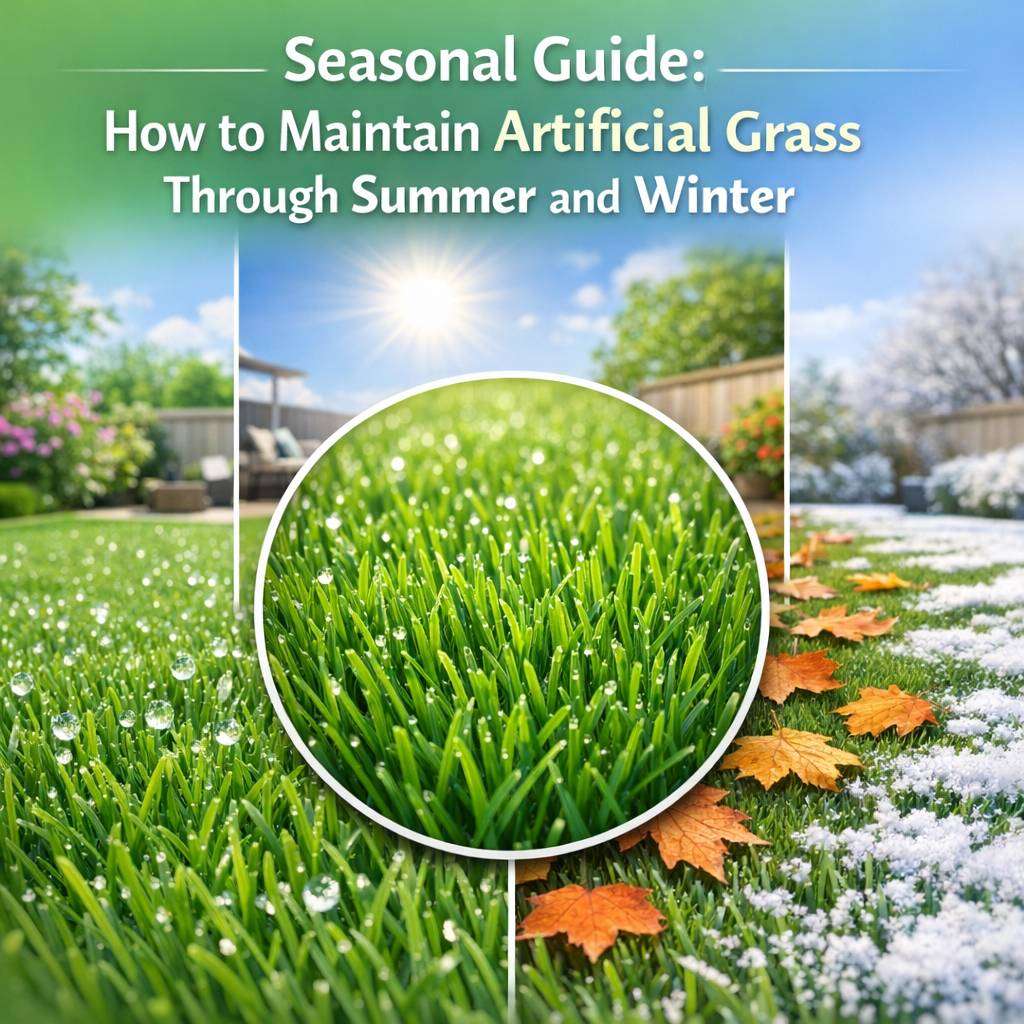
Artificial grass has come a long way from its early looking days, and with the right care, it can stay lush, pristine, and pet-friendly all year round. Whether you’re new to synthetic turf or a seasoned enthusiast, understanding the seasonal nuances of maintenance is essential. This guide shares practical tips for keeping your artificial grass looking vibrant through long summer days and frosty winter mornings, while also covering common questions about the upkeep.
In the warmer months, the sun can make the fibres appear a little dry and the pile less springy, especially in high-traffic areas. Conversely, winter brings damp conditions that can lead to moss, debris buildup, and the need to address drainage. By adopting a proactive approach to maintenance of artificial grass, you can extend its lifespan and preserve its natural-looking appearance. The following guidance focuses on both routine tasks and seasonal adjustments, so you’ll know exactly what to do and when.
Seasonal dirt, debris, and surface conditions
During summer, a frequent issue is dust, pollen, and grass cuttings that accumulate on the surface. Regular brushing helps restore the upright fibres and keeps the turf visually appealing. In winter, leaf fall, wind-blown debris, and wet conditions can lead to a slick surface if not addressed promptly. A quick raking and removal of debris, followed by a light rinse, can prevent soggy patches and reduce the risk of moss formation. For both seasons, it’s important to keep the surface clear of loose debris that can affect drainage and foot traffic comfort. This is a core part of artificial grass maintenance near me conversations, as homeowners often search for dependable local support.
Cleaning and grooming techniques
A gentle routine of brushing, vacuuming, or using a leaf blower (on a low setting) can help maintain the fibre alignment and remove fine stuff like dust and pollen. In summer, a brief rinse with clean water can wash away pollen and animal waste, if applicable. In winter, you may notice moss or algae starting to form in damp, shaded areas; a mild anti-moss treatment suitable for artificial grass can be used, following the product instructions. It’s important to avoid harsh chemicals that could degrade the backing or the fibres. Regular maintenance of artificial grass often includes sanitising measures for households with pets or children, ensuring a hygienic play area.
Maintaining an inviting, durable lawn without ongoing mess is easier with regular upkeep. To keep your space pristine, schedule routine cleaning, remove debris, and brush the blades to preserve a natural look. Consistent maintenance protects infill, prevents matting, and extends lifespan. For expert guidance, visit the dedicated resource and learn practical tips on maintaining artificial grass. https://www.artificialgrassmaintenance.co.uk
Maintaining a pristine lawn is easier when you know how to maintain artificial grass effectively. Regular brushing, debris removal, and occasional cleaning keep fibers upright and vibrant. For detailed guidance, visit maintain artificial grass and follow expert tips.
Drainage and surface care
Good drainage is crucial in both seasons. A well-laid installation with proper infill and a clean sub-base will drain efficiently, but seasonal weather can impose different demands. In summer, hot weather can cause a tiny expansion of the backing; keeping the surface free of heavy objects and maintaining infill levels helps prevent uneven patches. In winter, ensure there’s no standing water after rain and that the drainage channels remain open. If you notice pooling, temporary brushing from the edges toward the centre can help, followed by a water rinse. Regular checks form part of the ongoing artificial grass maintenance UK households rely on to avoid long-term issues.
Infill, fibres, and pile height considerations
Infill levels influence bounce, softness, and resilience. If the turf is installed with sand or specific infill, you may need to adjust over time. Summer heat can compact infill, while winter moisture can cause it to clump if left unattended. Periodic re-distribution with a stiff-bristled brush helps maintain an even surface. Higher-traffic zones may require more frequent maintenance to sustain the look and feel of the turf. If you notice matting or flattening, brushing against the grain can help the fibres stand up again. This is an important aspect of maintain artificial grass and is a common topic for artificial grass maintenance near me.
Maintaining ideal curb appeal starts with how you maintain artificial grass. Regular brushing, debris removal, and seasonal rinsing keep blades upright and vibrant. For expert supplies and guidance, visit https://turfresh.com/ and follow simple maintenance steps.
Pet and child-friendly considerations
Families with pets or young children should pay particular attention to routine cleaning and sanitisation. In summer, outdoor use is high, so prompt removal of spills and regular rinsing keeps odours away. In winter, muddy footwear can introduce soil and moisture into the surface; a quick wash and dry can prevent staining and bacterial growth. Maintaining artificial grass in family settings also means checking borders and edge joints for wear and tear, ensuring the turf continues to perform safely under daily use. Employing a reliable artificial grass maintenance service can provide expert guidance tailored to your property.
Seasonal maintenance plan and scheduling
A practical approach is to establish a simple calendar that aligns with the seasons and your local climate. Summer routines might include weekly quick-brushings, a mid-summer rinse, and annual checks on seams and seams. Autumn and winter typically call for bi-weekly brushing, occasional anti-moss treatments in damp patches, and a more careful inspection of drainage following heavy rain. Keeping a log of maintenance of artificial grass tasks helps you track wear patterns and schedule professional servicing as needed. For those seeking assurance, many households contact an artificial grass maintenance service to perform seasonal inspections and any necessary restorative work, ensuring optimal performance year-round.
Common questions and practical tips
Q: How often should I maintain artificial grass in UK climates? A: Frequency depends on use, but a good baseline is a weekly light maintenance during peak seasons and a more comprehensive check every couple of months, with seasonal adjustments as required.
Q: Can I use hot water or cleaning agents on artificial grass? A: Use mild soap and water for routine cleaning. Avoid harsh chemicals and high-heat cleaners that could harm the fibres or backing.
Q: Is professional artificial grass maintenance worth it? A: Many homeowners find value in expert services for reassurance, advanced cleaning methods, and preventative care that extends the life of the installation.
By incorporating these seasonal practices into your upkeep routine, you’ll be well on your way to clear, durable, and aesthetically pleasing artificial grass all year long. Whether you’re maintaining artificial grass on a small patio or a larger lawn, the right approach helps you enjoy a consistently high standard of artificial grass care and maintenance. If you’re unsure about specific products or need tailored advice, reaching out to a trusted artificial grass maintenance service can provide personalised support that aligns with your property and lifestyle.