
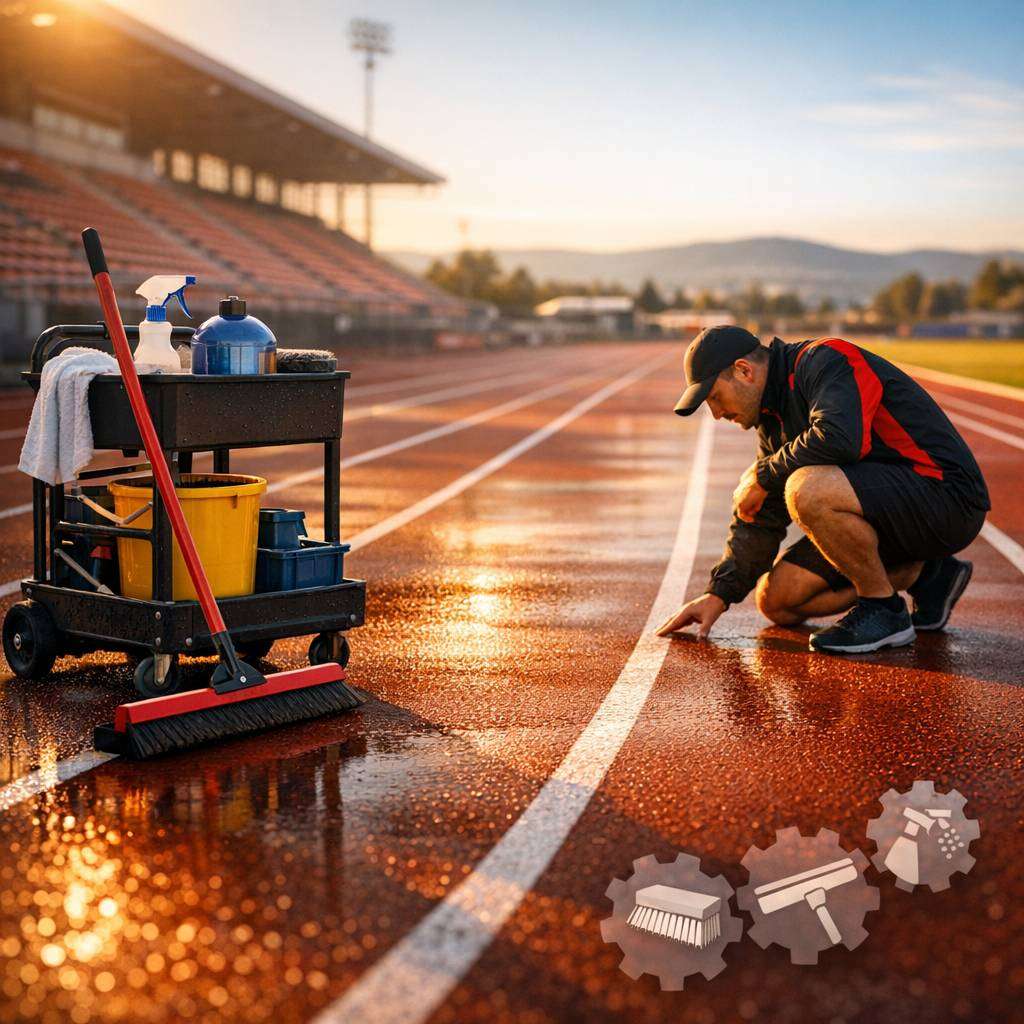
Maintaining an athletic track to a high standard requires a mix of routine cleaning, proactive maintenance, and timely repairs. A well-kept running track not only provides a safer surface for athletes but also prolongs the lifespan of the facility. Below are expert guidelines on athletic track cleaning, maintenance, and repair strategies that organisations can implement to maximise longevity and performance.
Establish a Cleaning Schedule and Protocols
Effective athletic track cleaning begins with a clear schedule. Develop daily, weekly, and monthly tasks that cover all zones of the track, including the infield, perimeter curb, and drainage grates. Daily tasks should focus on debris removal (leaves, litter, grass clippings) and inspection for surface damage. Weekly cleaning should escalate to sweeping and vacuuming where appropriate, followed by pressure washing on heavily soiled segments. Monthly thorough cleaning may involve specialised equipment to restore grip and remove embedded contaminants.
Document every cleaning event. Record the date, personnel, methods used, and any observations about surface condition. A traceable log supports maintenance planning, helps identify recurring issues, and provides documentation for safety audits and funding applications.
Maintaining facility safety hinges on regular maintenance, especially for high-use surfaces. A clean, well-kept environment supports performance and reduces injury risk. Regular inspections, debris removal, and targeted care extend track life. For professional guidance, refer to the resources below in the second half: athletic track cleaning.
Use the Right Tools and Products
Selecting appropriate tools is essential for effective athletic track cleaning. Dry sweeping machines or road sweepers can efficiently clear loose debris without damaging the surface. For more detailed work, use soft-bristle brushes and non-abrasive cleaning pads to avoid compromising surface integrity. Wet cleaning should employ pH-balanced cleaning solutions formulated for synthetic running tracks, with a careful rinse to prevent chemical residues.
Avoid high-pressure washing on sensitive polyurethane or rubberised surfaces unless approved by the manufacturer. Excessive pressure can erode surface coatings, reduce traction, or dislodge granules. In regard to cleaning agents, prioritise eco-friendly, non-corrosive products that minimise environmental impact while ensuring sanitisation and odour control.
Prioritise Drainage and Surface Integrity
Poor drainage accelerates wear and increases the risk of standing water, surface micro-cracks, and bacterial growth. Regularly inspect drainage grates, channel blockages, and the condition of the track edge. Ensure that the drainage system remains unobstructed, particularly after autumn leaf fall or storm events.
Surface integrity should be checked systematically. Look for delamination, cracking, and areas where granules have worn away. Early detection enables targeted running track repair before deterioration becomes widespread. If issues are detected, employ a professional track maintenance contractor or follow the manufacturer’s repair guidelines.
Implement a Routine for External Contaminants
Exterior contaminants, such as oil, fuels, or brake dust from adjacent facilities, can compromise traction and accelerate surface wear. Implement containment measures for potential spill sources and train staff to promptly respond to incidents. Use absorbent mats or granules to manage spills in athletic track cleaning operations, and ensure proper disposal in accordance with local regulations.
Seasonal contaminants, including pollen and moulting debris, should also be addressed. In spring, perform a thorough clean to remove pollen accumulation, which can create a slick surface when wet. In autumn, clear fallen leaves and organic matter to minimise slip hazards and surface staining.
Establish a Preventive Maintenance Programme
A comprehensive programme combines inspection, recording, and proactive interventions. Schedule routine inspections of the track surface, lane lines, and markings, and log any abnormalities. Proactive interventions may include resealing, resurfacing, or repairing damaged lanes as guided by the track manufacturer’s specifications and the advice of a qualified contractor.
Preventive maintenance should cover:
- Epoxy or polyurethane coatings: Periodic resealing to maintain protective layers and friction characteristics.
- Lane markings: Replace faded or damaged lane guides to ensure compliant and safe competition.
- Expansion joints: Verify seal integrity and address any movements that could permit water ingress.
- Edges and kerbs: Inspect for cracking or lifting that could cause trip hazards.
Running Track Cleaning: Daily and Seasonal Practices
Daily running track cleaning focuses on removing surface debris and ensuring clear, safe lanes. Sweep or vacuum interior of the track while avoiding harsh agitation that could loosen surface granules. Wipe down any entrances, walkways, and equipment storage areas to limit dirt transfer onto the running surface.
Seasonally, perform a more thorough cleaning to address ingrained grime and organic matter. Pressure-free surface cleaning, combined with a chemical-free rinse, helps recover traction while protecting the integrity of the surface. After any heavy rainfall, inspect for surface slickness and promptly address it with appropriate cleaning methods.
FAQ: Athletic Track Cleaning
1. What is athletic track cleaning?
Athletic track cleaning involves removing dirt, debris, spills, and contaminants from synthetic or rubberised track surfaces to maintain performance, safety, and longevity. It includes sweeping, washing, pressure washing, and periodic maintenance of lane lines and markings.
2. How often should an athletic track be cleaned?
Regular light cleaning should happen daily or after events to remove debris. A deeper cleaning (washing and surface care) is typically performed monthly or quarterly, depending on usage, weather conditions, and manufacturer recommendations.
3. What equipment is used for track cleaning?
Common equipment includes brooms and push sweepers for dry debris, low-pressure sprayers or soft brushes for washing, automatic or manual scrubbers for tough grime, and traffic-line painters for re-marking lanes. Pressure washers with appropriate nozzles may be used by trained staff.
4. Are there any precautions for cleaning synthetic track surfaces?
Yes. Use cleaners recommended by the surface manufacturer, avoid high-pressure washing that can damage the surface, test cleaners in a small area first, and protect lane markings. Wear appropriate PPE and ensure proper ventilation when using cleaning agents.
5. Can I clean a track with household cleaners?
Household cleaners are generally not suitable. Use cleaners specifically designed for athletic track surfaces or the manufacturer’s approved solutions to prevent damage and ensure safety.
6. How do I remove oil, grease, or chemical spills from a track?
Contain the spill to prevent spreading, use absorbent materials designed for outdoor surfaces, and follow with a manufacturer-approved cleaner. Rinse thoroughly with clean water and re-seal if required. If unsure, contact the track’s maintenance provider.
7. How should I handle mold, algae, or slippery patches on outdoor tracks?
Clean with an approved outdoor surface cleaner and scrub with a soft brush. For persistent growth, apply a mold-resistant cleaner suitable for rubberised tracks, rinse well, and consider improving drainage and sunlight exposure to prevent recurrence.
8. Can cleaning damage the track’s markings or lines?
Yes, aggressive cleaning or high-pressure washing can wear away markings. Use gentle methods around lines, follow manufacturer guidance, and repaint or re-lay markings as needed after cleaning.
9. How often should markings be re-painted after cleaning?
Re-painting depends on use and weather exposure. Typically, lane lines may need refreshing annually or semi-annually, especially after deep cleaning or heavy use.
10. Is professional cleaning necessary?
Professional cleaning is recommended for thorough maintenance, complex stains, or scheduled maintenance. Pros have specialised equipment, safety training, and access to manufacturer-approved products.
11. How can I maintain track cleanliness between cleanings?
Implement daily debris removal, place trash bins near the track, use shoe or gear cleaning stations at entry points to reduce dirt transfer, and ensure proper drainage to minimise standing water and grime buildup.
12. What maintenance should follow cleaning?
After cleaning, inspect for surface wear, cracks, or loose seams. Reapply or refresh sealant or coatings as recommended, and document maintenance activities for warranty compliance.
13. Are there safety considerations during cleaning?
Yes. Wear PPE, control for slippery surfaces during and after cleaning, block off areas as needed to prevent unauthorised access, and follow all manufacturer and local regulations regarding chemical use.
14. How do I choose a cleaning method or product?
Consider track material (e.g., polyurethane, rubber crumb), weather conditions, frequency of use, and manufacturer guidelines. Choose products labeled for athletic track surfaces and consult with a maintenance professional if unsure.
Running Track Repair: Timely and Professional Intervention
Even with regular cleaning, wear and damage necessitate repairs. Address issues such as micro-cracking, edge delamination, or punctures promptly to prevent escalation. For major defects, consult a qualified contractor with experience in running track repair and maintenance. Use only compatible materials and follow the manufacturer’s guidelines to ensure performance consistency and warranty validity.
Smaller repairs can often be handled in-house if staff have training in surface maintenance. For example, tiny surface cracks may be treated with compatible crack filler, followed by resealing. However, any repair should preserve the surface’s texture and grip characteristics. A rushed or inappropriate repair can create higher maintenance costs in the long term.
Health and Safety Considerations
Safety is paramount in athletic track maintenance. Ensure that maintenance staff wear appropriate PPE, including gloves, eye protection, and non-slip footwear. Clearly mark wet or recently cleaned areas to deter athletes from using a hazardous surface. In addition, verify that cleaning agents and repair materials are stored securely, out of reach of unauthorised personnel and young athletes.
Documentation and Training
Ongoing training for maintenance staff ensures consistency and quality control. Provide manuals and hands-on demonstrations covering cleaning protocols, safety procedures, and recognition of common defects. Maintain updated records of equipment calibration, chemical usage, and contractor work. Regular reviews of maintenance logs and incident reports support continuous improvement in athletic track maintenance.
By integrating disciplined athletic track cleaning, preventive maintenance, and timely running track repair, facilities can achieve enduring performance and safety. This approach minimises downtime, extends the life of the track surface, and delivers a reliable platform for athletes to train and compete at their peak. For dedicated teams, investing in high-quality athletic track cleaning and maintenance pays dividends in surface performance, safety, and overall facility value.